As digital transformation accelerates, cloud computing has become an important part of enterprise infrastructure. As a country at the forefront of global technology development, Japan's cloud servers have unique advantages in terms of performance, stability and security. This article will delve into the characteristics of Japanese cloud servers and their applicable scenarios to help enterprises make wise decisions when choosing cloud services.
Highly reliable infrastructure
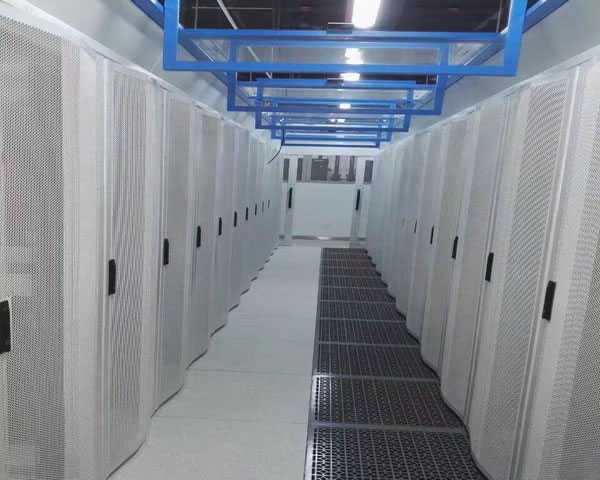
Japanese cloud servers are known for their highly reliable infrastructure. Earthquakes occur frequently in Japan, but its cloud service provider ensures data security and availability by building redundant data centers and adopting a distributed architecture. This design not only reduces the risk of single points of failure, but also allows for rapid switching to other safe locations when natural disasters occur, ensuring the continued availability of user data.
Excellent network connection
Japan's network infrastructure is among the best globally. Japanese cloud servers typically provide high-speed, low-latency network connections, which is especially important for applications that require real-time data processing. For example, trading platforms and online games in the financial industry have extremely strict requirements on network latency, and Japanese cloud services can meet these requirements and ensure a smooth user experience.
Superior security
Security is an important consideration when enterprises choose cloud services. Japanese cloud servers have adopted multiple security measures in data protection, including firewalls, intrusion detection systems, and data encryption. These measures ensure that customer data is not vulnerable to external attacks during storage and transmission, and are particularly suitable for industries that handle sensitive information, such as healthcare and finance.
Flexible resource allocation
Japanese cloud servers provide flexible resource configuration options, and users can dynamically adjust computing, storage and network resources according to actual needs. This on-demand allocation model greatly improves resource utilization efficiency. Enterprises can quickly expand or reduce cloud resources according to business development, reducing IT costs and suitable for start-ups and rapidly growing companies.
Advantages suitable for localized services
For businesses looking to do business in the Japanese market, using Japanese cloud servers can provide significant localization advantages. Whether it's language support, regulatory compliance or market needs, using on-premises cloud services can better meet customer expectations. In addition, local data storage also helps comply with Japanese privacy protection laws and improves customer trust.
Diversified service ecosystem
The Japanese cloud service market is mature and provides a variety of services, including artificial intelligence, big data analysis, Internet of Things (IoT), etc. These diverse services provide enterprises with more choices, allowing them to flexibly combine according to business needs and promote business innovation and digital transformation.
Industry application case analysis
In Japan, many industries have successfully applied cloud servers. For example, the financial industry uses cloud technology to realize real-time transactions and big data analysis, improving market response speed and decision-making efficiency. The e-commerce platform achieves high concurrency processing through cloud servers to ensure smooth operation during the promotion period. These successful cases demonstrate the broad applicability of Japanese cloud servers in various industries.
Future development trends
With the popularization of 5G networks and the advancement of artificial intelligence technology, Japanese cloud servers have huge potential for future development. It is expected that more enterprises will migrate to cloud services in the future, especially in the fields of data analysis and intelligent applications. Cloud service providers will also continue to optimize technology and improve service quality to meet the growing market demand.
Summary and suggestions
To sum up, Japanese cloud servers have become an ideal choice for enterprises’ digital transformation due to their high reliability, excellent network connectivity, security and flexibility. When choosing cloud services, it is recommended that enterprises carefully evaluate the advantages and services of different cloud service providers based on their own needs and industry characteristics to ensure that they choose the most suitable cloud solution.

- Latest articles
- Risk Control Strategy Research: Methods To Prevent Blacklisting And Abnormal Behavior From Korean Dynamic Native IPs
- A Detailed Explanation Of The Price Range For Different Bandwidth And Configuration Costs For Hosting Servers In The US
- How To Assess The Long-term Service Stability Of Hong Kong Aide's Data Center
- How To Leverage Indian VPS And Thai VPS To Achieve Global User Distribution And Accelerate Deployment
- How To Assess The Quality Of Third-party VPS Management Services In Hong Kong Through SLAs
- Research On Improving The Accuracy Of Vietnamese Native IP In Mobile Advertising Targeting
- The Low-latency Connection Strategy Helps Malaysian Cloud Servers Provide A Better Experience For Asia-Pacific Users
- High-availability Architecture Design For US High-defense Servers And Card Games From An Operations And Maintenance Perspective
- From Bandwidth To Hard Drive Read/write Metrics, It Is Crucial To Assess The Impact Of Cambodia's Junk Servers On Business
- A Guide To Leasing Server Vendors For Small And Medium-sized Enterprises In Vietnam, Evaluating Cost-effectiveness And Scalability
- Popular tags
-

Common Misunderstandings And Solutions Revealed When Renting A Japanese Server
this article discusses common misunderstandings and solutions when renting japanese servers to help users make wise choices. -
Evaluation Article: Is It Possible For Japanese Server-only Cloud Computing To Be Suitable For High-performance Computing Scenarios?
this article evaluates whether japan's server optical computing cloud is suitable for high-performance computing scenarios, and provides professional analysis and suggestions from dimensions such as architecture, computing performance, storage io, latency, compliance, and operation and maintenance to facilitate decision-making reference. -
How Much Does It Cost To Rent A Japanese Cloud Server? The Trial Calculation Example Covers E-commerce Live Broadcast And Development Scenarios.
introduce how to conduct a trial calculation of japanese cloud server costs for e-commerce live broadcast and development scenarios. analyze the key factors that affect costs, instantiate the trial calculation process and provide practical suggestions for cost savings to help with decision-making and planning.